Historical Significance
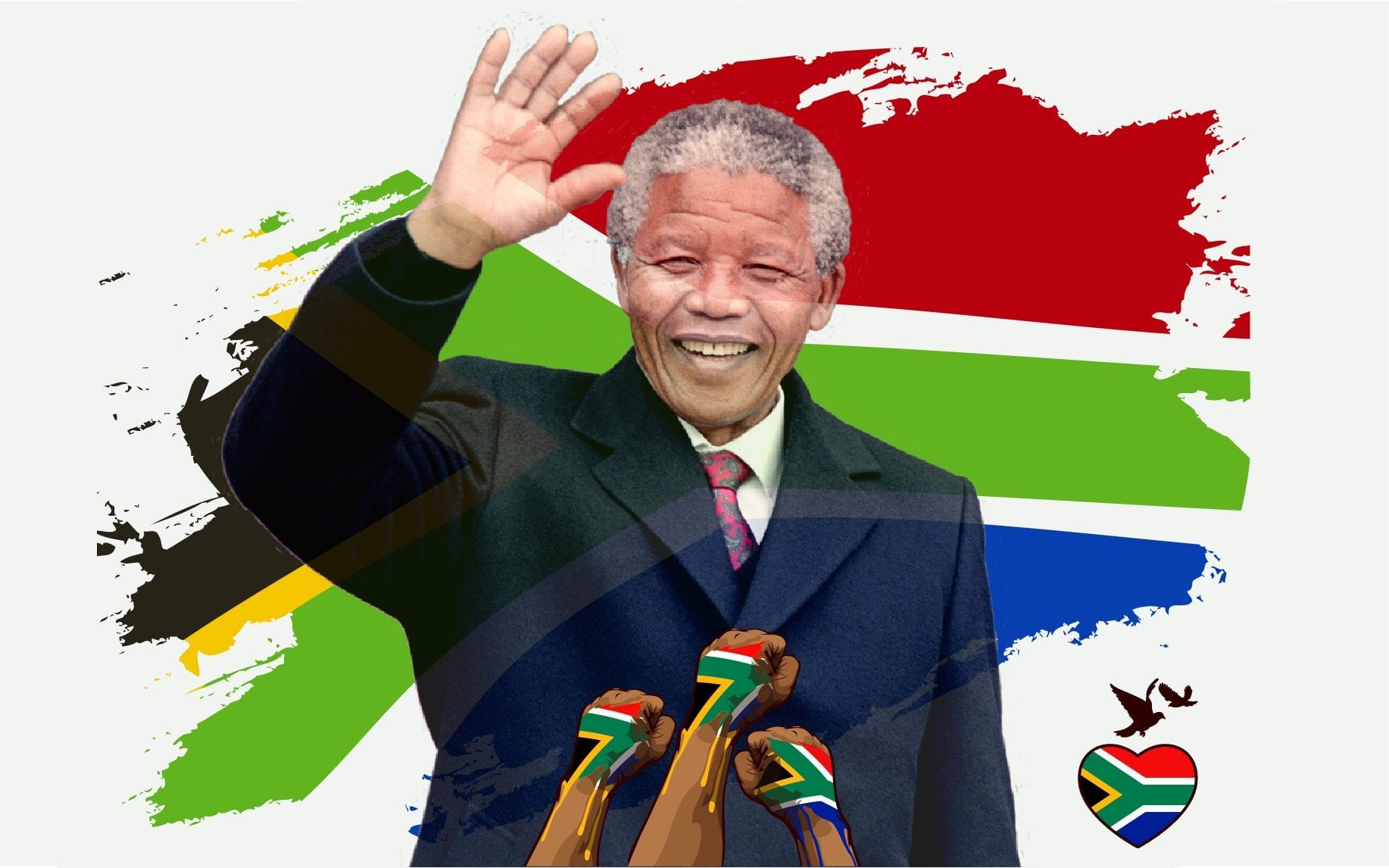
South Africa's history is deeply intertwined with moments of profound significance that have shaped its national identity and global perception. The legacy of apartheid, a system of institutionalized racial segregation and discrimination enforced by the National Party government from 1948 to 1994, is a central chapter in the country’s history. Apartheid laws divided people based on race, leading to widespread inequality, oppression, and resistance. The struggle against apartheid saw the rise of key figures and movements that fought for freedom and equality. Nelson Mandela, perhaps the most iconic of these figures, emerged as a symbol of resistance and reconciliation. Imprisoned for 27 years, Mandela’s release in 1990 marked a pivotal moment in South Africa’s transition to democracy. His subsequent election as the first black president of South Africa in 1994 was a monumental step towards healing and rebuilding the nation. Museums and historical sites across South Africa offer deep insights into this turbulent past. Robben Island, where Mandela and other political prisoners were held, is now a UNESCO World Heritage Site and museum, providing a poignant reminder of the sacrifices made in the fight for justice. The Apartheid Museum in Johannesburg offers a comprehensive look at the rise and fall of apartheid, featuring exhibits that detail the harsh realities of life under segregation as well as the triumphant journey towards freedom. South Africa’s historical significance is not limited to the apartheid era. The country is also home to the Cradle of Humankind, a UNESCO World Heritage Site that contains some of the world’s oldest hominid fossils, providing invaluable insights into human evolution. This site underscores South Africa’s place in the broader narrative of human history. Furthermore, the country’s colonial past, marked by Dutch and British rule, has left an indelible mark on its cities, architecture, and cultural practices. The blend of indigenous African, European, and Asian influences creates a unique historical and cultural landscape. Overall, South Africa’s rich and complex history, from ancient human origins to modern struggles and triumphs, makes it a compelling destination for those interested in understanding the forces that have shaped its present and continue to influence its future.